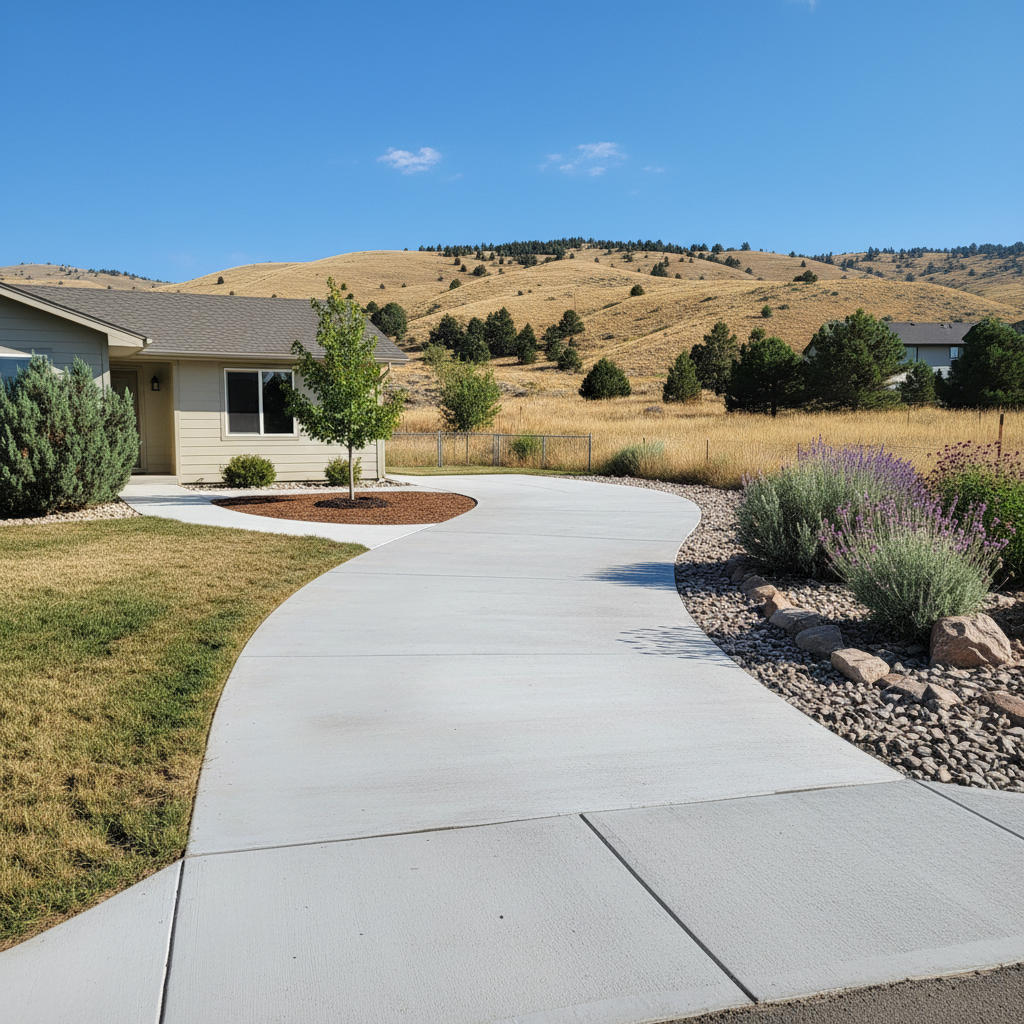
So, you're looking to get some concrete work done around your place here in Taylorsville. Maybe it's a new driveway, a backyard patio, or you finally want to fix that cracked walkway. The first question I always hear is, "How much is this going to cost me?" It's a fair question, and honestly, the answer isn't always simple, but I can give you a solid idea of what to expect.
What Drives Concrete Prices Up (or Down)?
You'd think concrete is concrete, right? Not exactly. A bunch of things play into the final price tag. Understanding these factors will help you make sense of any quote you get.
- The Size and Scope of the Job: This is probably the biggest one. A small 10x10 patio is going to cost a lot less than a 20x40 driveway. More square footage means more materials, more labor, and more time.
- Thickness: Standard residential concrete is usually 4 inches thick for patios and walkways, and 4-6 inches for driveways, especially if you've got heavier vehicles. If you need it thicker for something like an RV pad, that's more concrete and more cost.
- Reinforcement: Are we just pouring plain concrete, or do you need rebar or wire mesh? For driveways and larger slabs, reinforcement is almost always a good idea to prevent cracking, especially with our freeze-thaw cycles here in Utah. It adds to the material cost and labor.
- Site Preparation: This is a big one that often gets overlooked. If your yard needs a lot of grading, excavation, or old concrete removal, that's extra work. Sometimes we hit rocky soil, which means more time and specialized equipment to dig out. If we're hauling away a bunch of old concrete, that's a disposal fee. A clean, level site is always cheaper to work with.
- Finish Type: A basic broom finish is the most affordable. If you want something fancier like stamped concrete (to look like stone or brick), exposed aggregate, or a colored finish, that's going to add significantly to the cost. These finishes require more skill, specialized tools, and more time.
- Accessibility: Can we easily get our trucks and equipment to the pour site? If we have to pump concrete over a house or through a tight backyard gate, that adds labor and equipment rental fees.
- Permits: For larger jobs like driveways that connect to public streets, you might need a city permit. This is usually a small fee, but it's part of the overall cost.
Typical Cost Ranges for Concrete in Taylorsville
Alright, let's talk numbers. I'm going to give you a range per square foot, but remember, these are just averages. A small job usually has a higher per-square-foot cost because the fixed costs (like mobilization and setup) are spread over fewer square feet.
For a basic, 4-inch thick, broom-finish concrete slab (like a patio or walkway) with standard site prep and wire mesh reinforcement, you're generally looking at:
- $8 - $12 per square foot.
So, a 10x10 (100 sq ft) patio might be $800 - $1,200.
For a 4-6 inch thick driveway, also with a broom finish and rebar reinforcement, considering the heavier load and often more extensive site prep:
- $10 - $15 per square foot.
A 20x20 (400 sq ft) driveway could run you $4,000 - $6,000.
Now, if you're looking at decorative concrete, like stamped or exposed aggregate, the price jumps quite a bit:
- Stamped Concrete: $15 - $25+ per square foot, depending on the pattern complexity and color.
- Exposed Aggregate: $12 - $20+ per square foot.
These prices include materials, labor, and basic site preparation. Always get a detailed quote!
What Should Be Included in Your Concrete Quote?
When you get a quote from a company like Taylorsville Concrete Solutions, you want to see a breakdown. Don't settle for a single number. A good quote will clearly outline:
- Square Footage: The exact dimensions of the area being poured.
- Thickness: How thick the concrete will be.
- Reinforcement: Whether it's wire mesh, rebar, or fiber mesh.
- Site Preparation: Details on excavation, grading, and old concrete removal (if applicable).
- Material Costs: Concrete, rebar, forms, etc.
- Labor Costs: The crew's time.
- Finish Type: Broom, stamped, exposed, etc.
- Sealing: Often included, especially for decorative concrete, to protect it.
- Permits: If needed, who is responsible for obtaining them and the cost.
- Cleanup and Disposal: What happens to the debris.
If a quote is just a single line item, ask for more detail. You need to know what you're paying for.
How to Avoid Overpaying for Concrete Work
Nobody wants to get ripped off, especially when you're investing in your home. Here are my tips:
- Get Multiple Quotes: This is a no-brainer. Get at least three detailed bids from different contractors. It helps you compare apples to apples.
- Check References and Reviews: Look at online reviews, ask for references, and check with the Better Business Bureau. A good reputation means a lot.
- Don't Always Go for the Cheapest: The lowest bid can sometimes mean cut corners, inexperienced crews, or hidden costs later on. Quality concrete work lasts decades; cheap work can fail in a few years.
- Ask About Experience: How long have they been doing concrete? Do they specialize in residential work?
- Verify Insurance: Make sure the contractor has liability insurance and workers' compensation. You don't want to be on the hook if someone gets hurt on your property.
- Get Everything in Writing: This is crucial. Your quote should be a contract. It protects both you and the contractor.
- Understand the Payment Schedule: Typically, a reputable contractor won't ask for 100% upfront. A deposit is common, with final payment upon satisfactory completion.
Doing your homework upfront will save you headaches and money down the road. Concrete is a long-term investment in your property, so make sure it's done right.