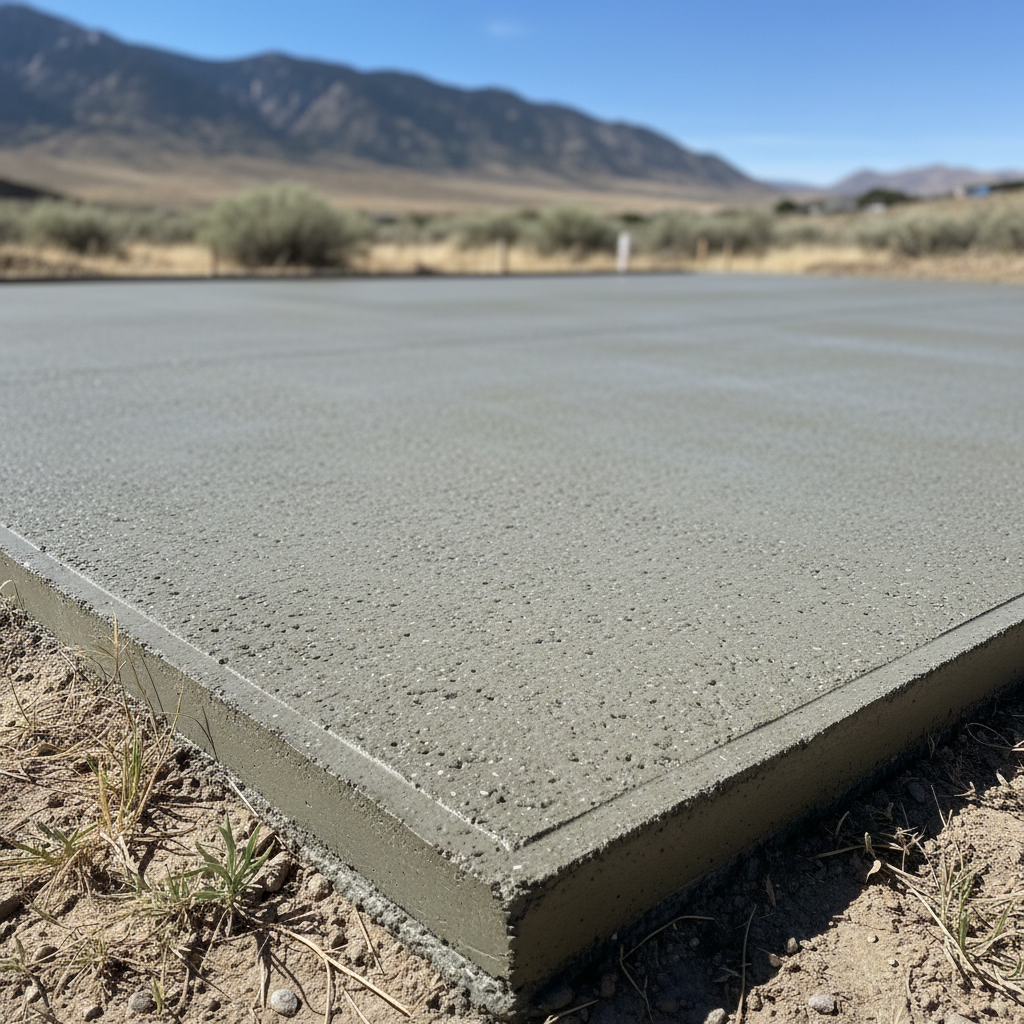
Ever noticed how some older basement walls around the Bennion neighborhood start showing stair-step cracks after 15 to 20 years or more? That is not bad luck. That is our local Lake Bonneville clay talking. If you are planning a home addition, a detached garage, or tackling a major foundation fix, you need to know how our local ground behaves before the first shovel hits the dirt.
Before the Project Starts: Site Prep and Reality Checks
Before pouring concrete, you have to look at the ground beneath your feet. Taylorsville sits on heavy, moisture-reactive clay that swells when wet and shrinks when dry. This movement puts immense pressure on concrete walls and footings over time.
Here is what you can realistically handle yourself in the planning phase:
- Digging out minor landscape grading to push surface water away from the build site.
- Pulling local permits and calling 811 to clear underground utility lines.
- Hauling away old debris or doing light manual clearing.
When you need to step back and call a professional crew like Taylorsville Concrete Solutions is for soil compaction testing and deep excavation. If you do not trench and backfill with the right granular material, your expensive foundation will settle unevenly.
During the Pour: Forms, Steel, and Timing
Once excavation is complete, things move fast. Setting forms square and level requires laser levels and framing experience. If your forms are out by even half an inch, your framing carpenters will have a lot of trouble later.
Reinforcement is another area where cutting corners will cost you. Given our winter freeze-thaw cycles, your foundation needs the right rebar schedule and air-entrained concrete mix to prevent frost heave. Throwing a generic mix into a hole will not cut it here.
This phase is strictly professional territory. Ordering the wrong truck mix, miscalculating yardage, or failing to vibrate the concrete properly leaves you with honeycombing and structural voids that are very difficult to fix later.
After the Pour: Curing and Protection
Pouring the concrete is only half the battle. How you treat it afterward determines whether it lasts 15 to 20 years or more or cracks in three. Concrete does not dry out to get hard—it cures through a chemical reaction that needs moisture and stable temperatures.
As a homeowner, your post-pour job is important:
Managing water runoff is your best defense against shifting clay. Keep up with your perimeter drainage, watch for hairline fractures as the seasons change, and bring in experienced help when structural integrity is on the line. Taylorsville Concrete Solutions provides Concrete Contractor services for homes in Taylorsville, UT.